Identify which equipment encounters which conditions
Have the responsible project team describe the relevant tool environment, surface installation and cabin conditions for the proposed program. Distinguish normal service, transport and other cases requiring provider review. A single temperature maximum does not describe the complete assignment. Give suppliers the actual boundaries so tool exposure is not confused with the air surrounding the vehicle or with conditions inside a climate-controlled operator workspace.
Request tool-specific exposure evidence
Ask the actual instrument provider to identify the supported service conditions and limitations of the selected assembly. Keep duration and other relevant inputs with the reviewed basis where required by that provider. A sensing element range may not establish complete tool suitability. Procurement should request configuration-specific evidence without inventing a universal exposure allowance, converting a reference temperature into an operating recipe or assuming every instrument in the same family has equivalent limits.
Review the truck contribution separately
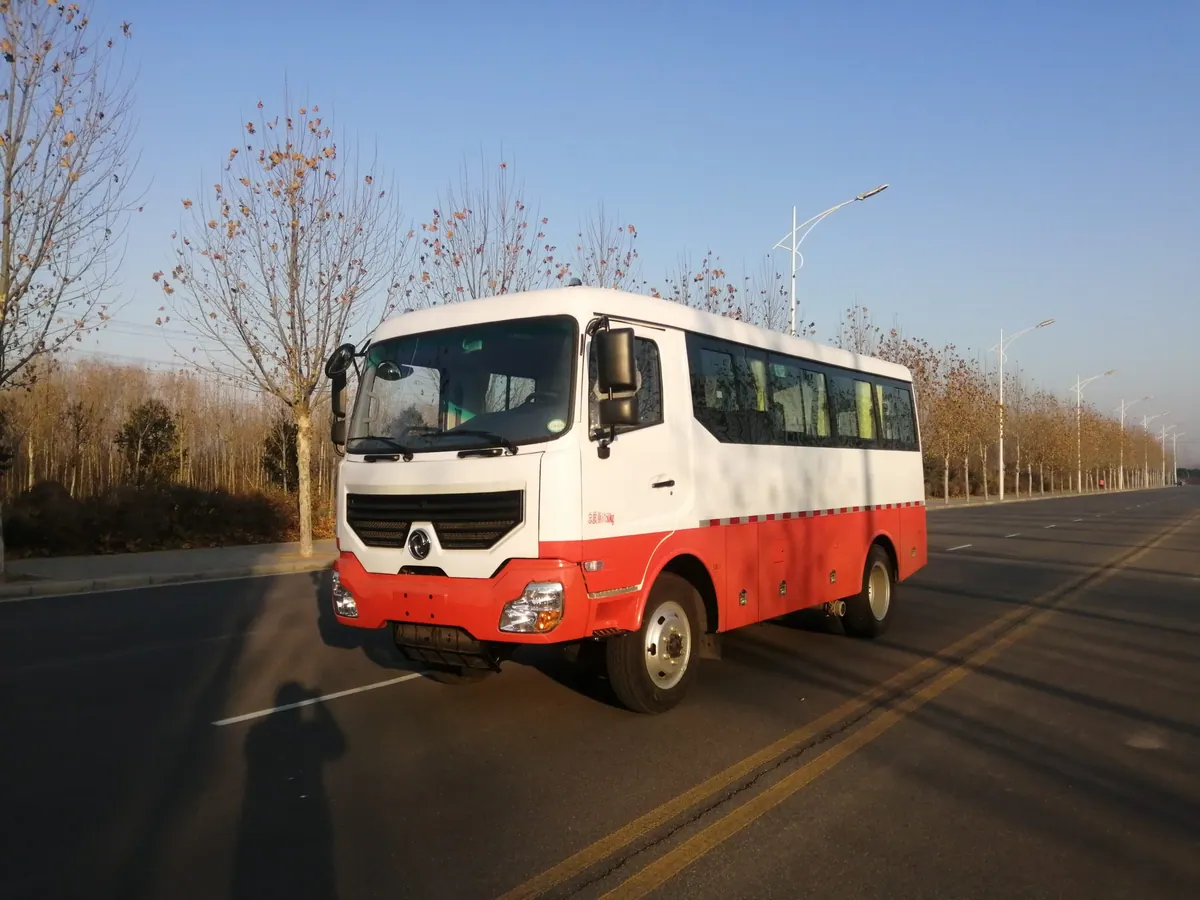
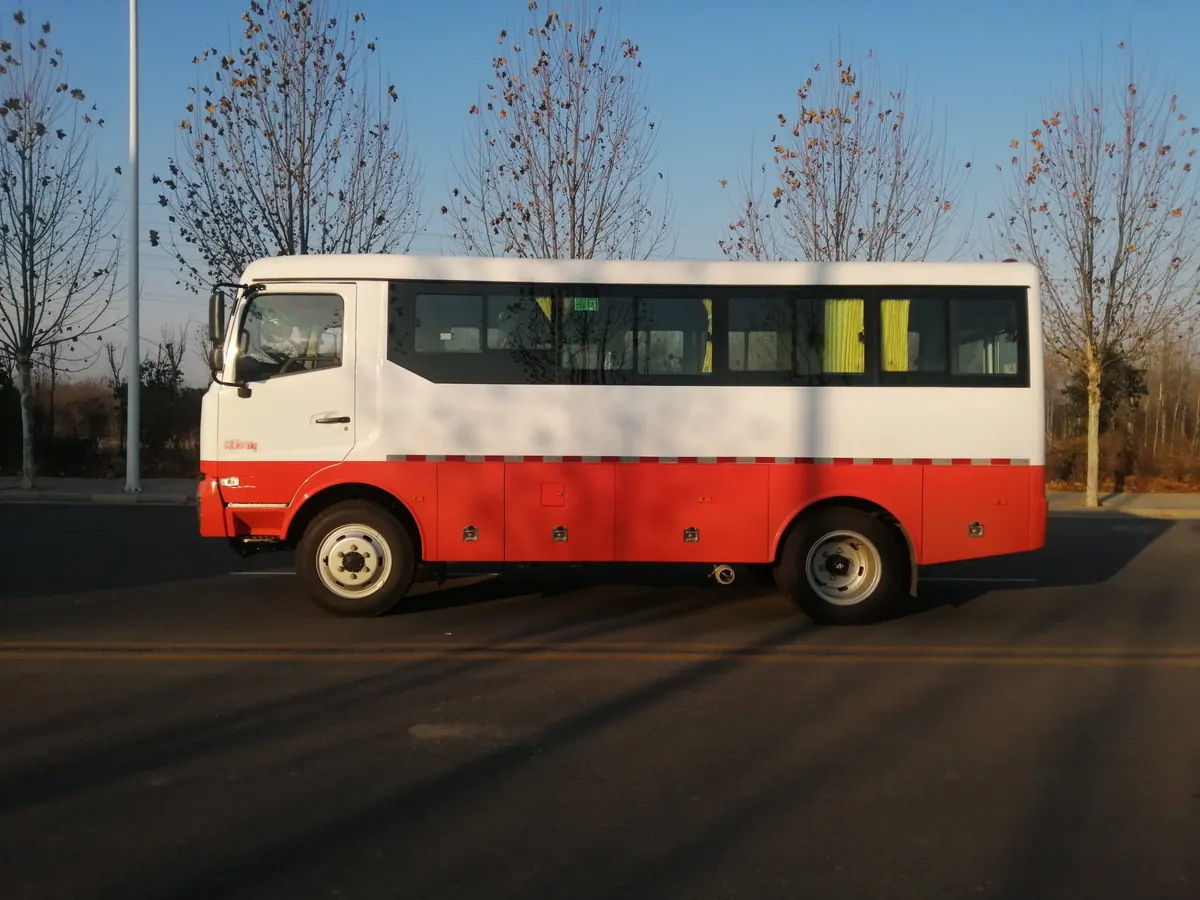
Have the vehicle integrator identify the supported acquisition, power, workspace and relevant external connections for the stated surface environment. The cabin arrangement must serve its accepted equipment and user tasks, but it does not certify the downhole tool. Compare supplied functions and environmental dependencies honestly. A robust tool selection cannot resolve a recorder or connector limitation, just as an air-conditioned cabin cannot expand the accepted exposure envelope of an external instrument.
Keep wellhead and pressure interfaces under competent review
Identify the separately supplied pressure-control and wellhead equipment and its actual service basis through the responsible providers. A general truck quotation should not be used to approve those assemblies. Have the project team reconcile the relevant interface limits and responsibilities for the selected program. Procurement can expose those dependencies without choosing pressure or temperature settings, changing protective functions or implying that one product rating governs the complete wellsite arrangement.
Retain the accepted boundaries through delivery
Include the relevant tool, truck and external-interface responses with their configuration identifiers and limitations in the purchase records. Ask which changes require another review before a different assignment is accepted. A factory acquisition demonstration may verify a data path while leaving the actual hot-well exposure assessment elsewhere. Keep that distinction explicit so a successful communication test is not later presented as complete high-temperature service acceptance.
Compare complete suitability without combining unrelated ratings
Require the relevant providers to answer the same identified program while preserving the limits and evidence of their own equipment. Keep conditions at the tool, surface interface and cabin distinguishable in the final schedule. The accepted truck purchase should support the proposed measurement assignment with honest external dependencies. It should not promise universal hot-well operation, extend a component temperature range to every assembly or treat environmental comfort as proof of tool survival, measurement performance or pressure-control suitability under unreviewed well conditions.
Put these items side by side in the bid review
| Purchase item | Question to resolve | Evidence to request |
|---|---|---|
| Exposure | Which item sees which environment? | Equipment-specific service schedule |
| Evidence | What supports each accepted boundary? | Provider response and configuration identity |
| Acceptance | What does the factory demonstration establish? | Qualified tool, truck and site evidence scope |
Suggested wording for the quotation request
Assess the proposed well test truck and identified instruments for the attached hot-well program. Separate downhole tool exposure, surface interfaces, cabin environment and external pressure-equipment responsibilities. Provide relevant configuration-specific limits and evidence, with acquisition demonstrations distinguished from service suitability. Identify unconfirmed conditions and changes requiring further review rather than combine unrelated temperature maxima into a universal truck capability.
Select the well test truck against the accepted instrument program and required measurement outputs. Identify the actual tools, line arrangement, depth and load basis, acquired channels and supported working environment. Keep deployment equipment, recording functions, external pressure control and surface flow-test systems under explicit supply boundaries. A calibration certificate supports an identified measurement, not universal truck accuracy or an unrestricted test result. Ask for the evidence and limitations that matter to the intended decision. Retain the selected configuration, interface documents and verification records with the purchase; actual wellsite work requires competent personnel and approved procedures.
For the wider equipment scope, consult the Oilfield Well Test Truck: Compatibility Guide. Use the RFQ checklist to collect the supporting documents before requesting a configuration-specific quotation.
Buyer questions
Does a truck ambient rating define downhole tool suitability?
No. The tool and its actual exposure require their own provider assessment.
Does a communication demonstration establish high-temperature service acceptance?
No. It verifies a defined data function, not every environmental and pressure-equipment requirement.
Background and supplier contact
OSHA oil and gas extraction guidance offers related background, not certification of the equipment in a quotation. Applicability must be checked for the project and destination.
Explore the well test truck, browse all technical resources, or visit Vance Petroleum for company information. Request a well-test package proposal with identified instruments, measurement tasks, acquisition interfaces and destination requirements.