Confirm the instrument-truck supply boundary
Define the selected tools, line and deployment method, depth and load basis, acquisition channels and required output records for the actual well program. The proposed truck configuration should identify its carrier, installed deployment equipment, operator workspace and power arrangement. Ask the supplier to list supported interfaces and limitations instead of assuming universal instrument compatibility from the product name.
External wellhead and pressure-control equipment require their own competent selection and acceptance. Surface separators, flow meters and effluent handling are separate package responsibilities unless explicitly included in the accepted offer. Any required data connection to those systems needs an identified interface and verification plan. Retain that boundary with the purchase, factory evidence and site handover records.
Start with the job decision
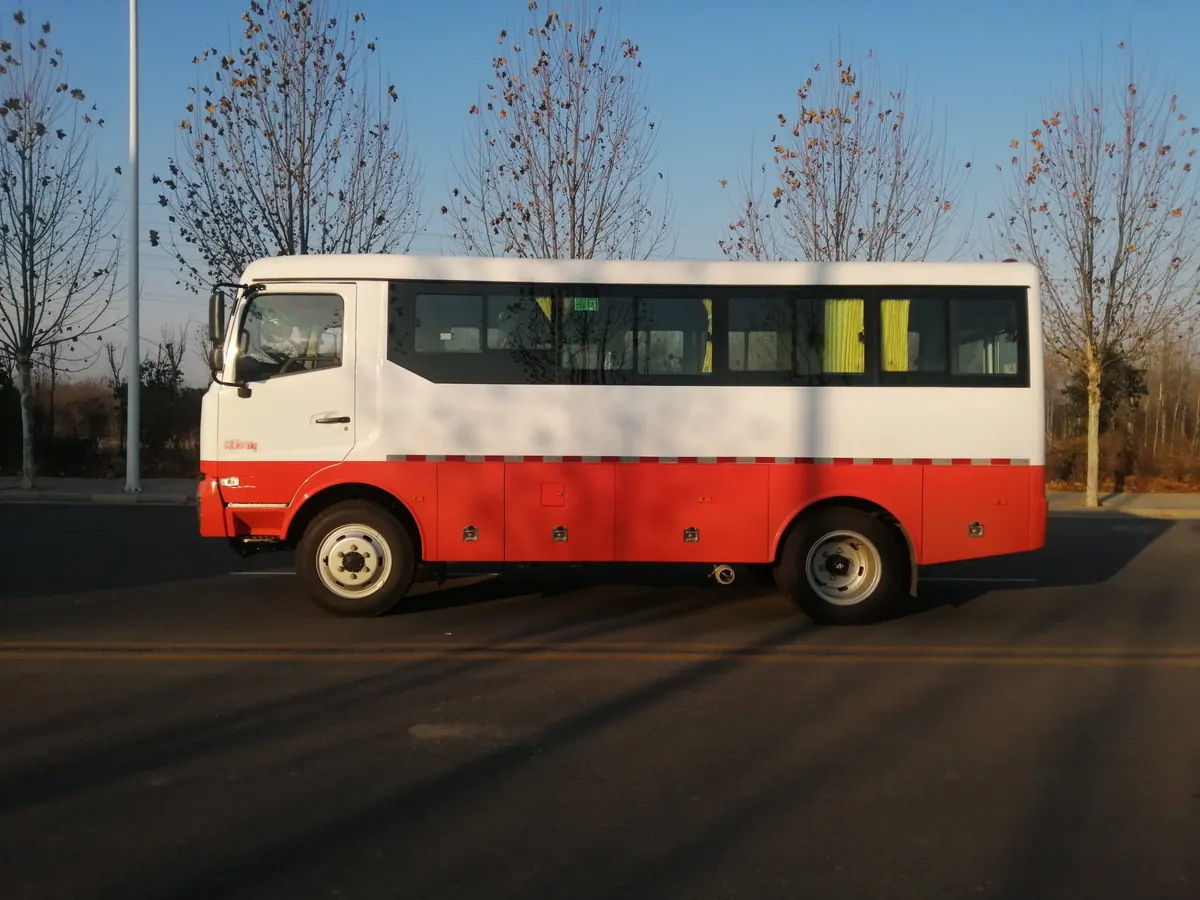
Oilfield Well Test Truck projects succeed when the equipment scope is tied to a defined operating duty: supporting selected instrument deployment, depth measurement and data acquisition for the accepted well program. A useful project document separates normal duty, maximum credible duty, standby or transient conditions and the physical interfaces available at site. This keeps procurement language connected to field reality.
Record test objectives, instrument working cases, depth and load basis and instrument and acquisition interfaces as ranges rather than isolated peak figures. The supplier can then explain how the identified deployment and line-handling equipment, selected instruments and measurement interfaces, data logging system and documented onboard control functions work together across the intended envelope.
Confirm site readiness before the equipment arrives
Check access, lifting and parking areas, ground bearing capacity, drainage, lighting, fire protection and emergency routes. Verify that fuel, water, electrical power, instrument air, return handling and discharge connections match the approved interface schedule. For a truck-mounted package, include turning radius, axle loads and safe outrigger or stabilization requirements where applicable.
| Review item | What to confirm | Evidence or input |
|---|---|---|
| Mechanical installation | Supports, alignment, connections and access | Approved layout and installation checklist |
| Utilities | Capacity, quality, pressure and connection point | Interface test records |
| Electrical and controls | Voltage, earthing, I/O and communications | Loop checks and cable schedule |
| Safety readiness | Relief paths, ESD, fire protection and permits | Signed pre-start safety review |
Complete pre-start checks systematically
Inspect transport restraints, cleanliness, lubricant and fluid levels, fasteners, guards, valve positions, filters, instruments and protective devices. Confirm calibration status and rotate equipment only where the procedure allows it. Close or formally risk-assess every item that could affect safe startup.
Establish a baseline during performance testing
Use the agreed configuration-specific commissioning plan to check instrument interfaces, depth indication, acquisition outputs, installed power and documented controls. Record actual equipment and any simulated inputs. Compare results with the approved acceptance criteria. Retain the baseline for later condition monitoring and troubleshooting, then train operators using the actual installed configuration.
Keep a usable project record
Maintain one controlled file containing the approved duty sheet, supplier clarifications, drawings, component data, inspection records, test results, deviations, photographs and signed acceptance documents. Record document revisions and the person responsible for each open item. This prevents the operating team from receiving a package whose final configuration differs from the information used during procurement.
The handover set should also identify installed component models, consumables, calibration intervals, recommended spares, preservation requirements and supplier support contacts. Capture baseline operating readings when the unit is accepted. Those records give maintenance personnel a reference for condition changes and allow later modifications to be reviewed against the original design basis.
Before closing the project, confirm that operators can find the startup, normal-operation, controlled-shutdown and emergency procedures relevant to their unit. Training attendance alone is not sufficient; the responsible team should demonstrate the required checks and know which conditions require escalation rather than continued operation.
Codes, standards and project requirements
Confirm the final specification and acceptance plan against the owner’s project standards, local jurisdiction and OSHA oil and gas extraction safety guidance. The applicable project documents govern whenever they are more specific.