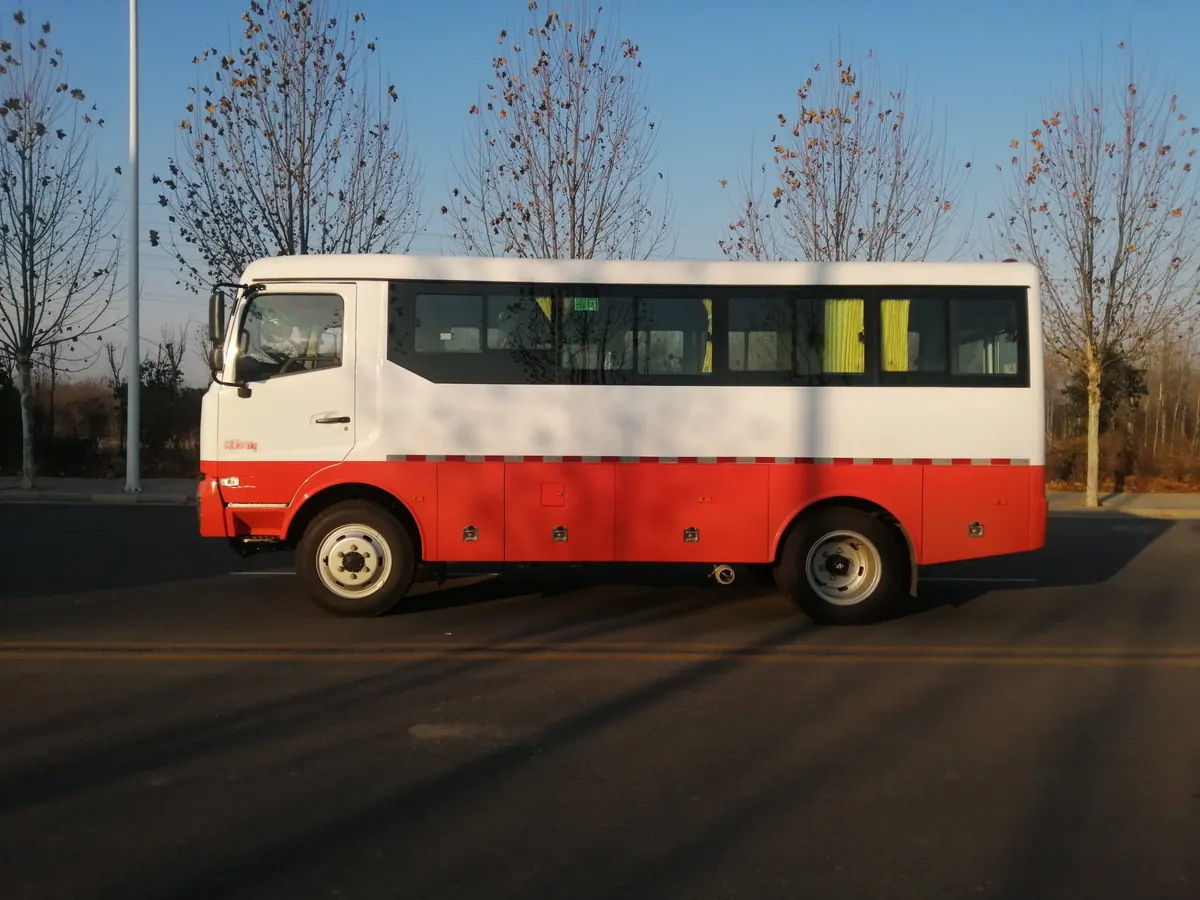
Separate operating and storage environments
Provide the relevant ambient, humidity, dust and other site information requested by the equipment providers. Distinguish occupied operating conditions from transport and unoccupied storage. A single outdoor temperature range is not a complete environmental specification for the instrument and recording package. Keep source information and uncertainty visible so suppliers do not assess one favorable cabin condition while the purchaser expects equipment to tolerate a different exposed arrangement.
Identify where each supplied item is installed
Request a layout showing the actual recorder, relevant modules, connections and exposed equipment. Distinguish items inside the accepted cabin environment from those outside it. An enclosure property for one panel does not establish suitability of every installed connector or tool. The purchase should identify the actual boundary to which the evidence applies, avoiding a general protected-electronics label that obscures important configuration and installation differences.
Ask what the offered protection claim covers
Have the provider identify relevant product information and conditions for supplied enclosures and components. A nominal marking or brochure phrase must be related to the actual installed item and configuration. Keep manufacturer limitations, access dependencies and external connections explicit. Procurement should request evidence for responsible review rather than invent a universal ingress rating, claim unrestricted washdown suitability or treat an enclosed cabin as a guarantee against every condensation and contamination scenario.
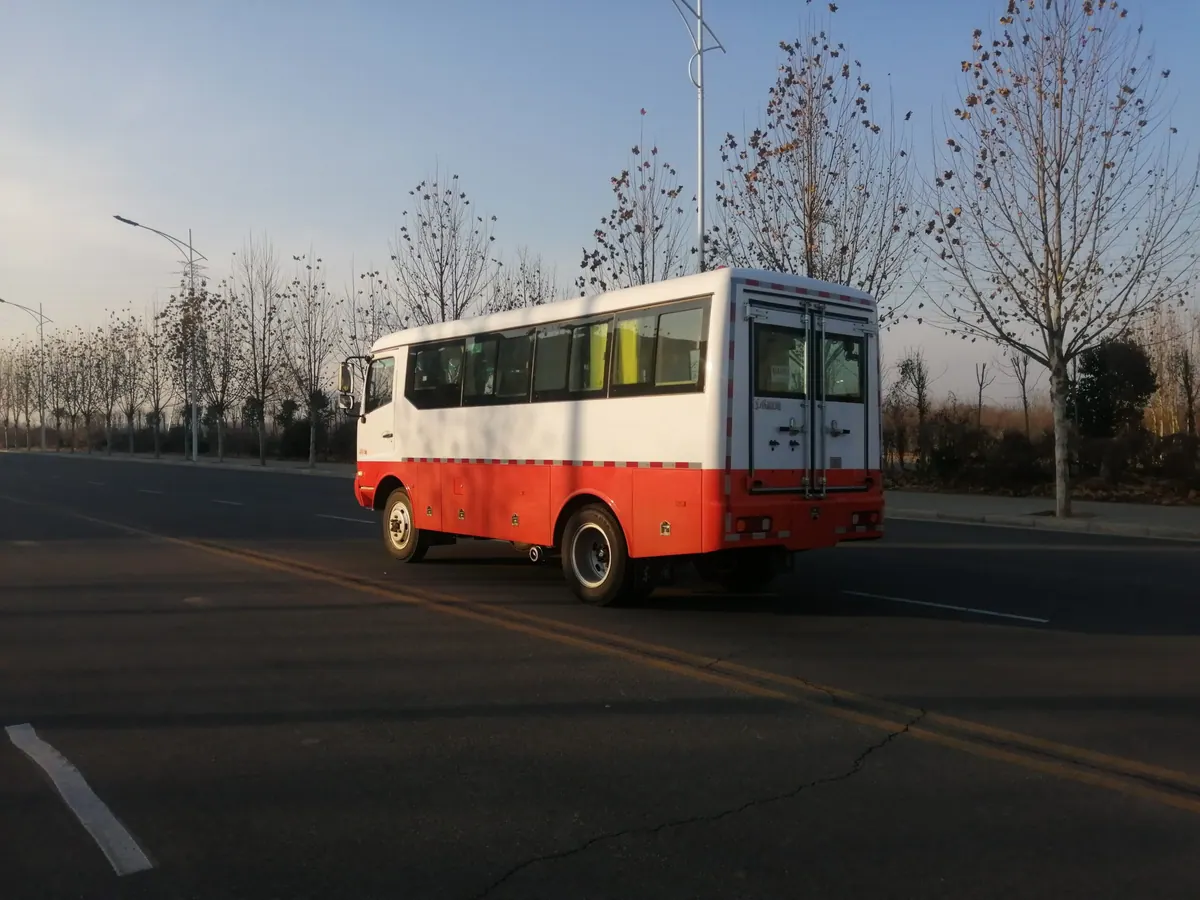
Review cabin and utility dependencies
Ask which supplied environmental functions depend on available power, maintenance or the accepted operating arrangement. A cabin conditioning unit is part of a supported configuration, not a promise that every internal item always remains at one ideal condition. Identify external resources and purchaser responsibilities. Keep changes to ventilation, enclosure or access arrangements subject to provider review rather than propose improvised covers or modifications that alter the accepted equipment behavior.
Retain the environmental basis with acceptance records
Include relevant layout, component identifiers and verification documents in the delivered package. State which evidence supports component suitability and which depends on the actual site arrangement. If equipment locations or options change, review the consequences before accepting equivalence. A successful short factory acquisition demonstration does not establish every extended dust or humidity case, so preserve unconfirmed conditions and the responsible follow-up scope honestly.
Compare protected functions under the same stated conditions
Require each bidder to answer the same environmental schedule and distinguish supplied protection from purchaser-maintained surroundings. Ask whether the quoted claim belongs to a component, a complete assembly or a defined cabin condition. Keep the actual configurations and limitations visible through award and handover. This supports a practical acquisition package without promising universal weatherproofing, treating one enclosure statement as full truck certification or prescribing field modifications. Environmental acceptance remains tied to the selected equipment, responsible provider information and competent destination review.
Put these items side by side in the bid review
| Purchase item | Question to resolve | Evidence to request |
|---|---|---|
| Conditions | Which operating and storage cases apply? | Controlled environmental schedule |
| Boundary | Where are the actual electronics installed? | Configuration-specific layout |
| Evidence | What does the protection claim cover? | Relevant provider documents and limitations |
Suggested wording for the quotation request
Assess the proposed well test truck recording and instrument equipment against the attached dust, humidity and storage cases. Identify component locations, enclosure and connection scope, cabin assumptions and power or maintenance dependencies. Provide relevant evidence for the actual configuration, with limitations and external responsibilities stated. Do not extend a single panel or cabin claim to every supplied item without an applicable basis.
Select the well test truck against the accepted instrument program and required measurement outputs. Identify the actual tools, line arrangement, depth and load basis, acquired channels and supported working environment. Keep deployment equipment, recording functions, external pressure control and surface flow-test systems under explicit supply boundaries. A calibration certificate supports an identified measurement, not universal truck accuracy or an unrestricted test result. Ask for the evidence and limitations that matter to the intended decision. Retain the selected configuration, interface documents and verification records with the purchase; actual wellsite work requires competent personnel and approved procedures.
For the wider equipment scope, consult the Oilfield Well Test Truck: Remote Field Guide. Use the RFQ checklist to collect the supporting documents before requesting a configuration-specific quotation.
Buyer questions
Does cabin air conditioning establish suitability of outdoor connections?
No. Review the actual exposed equipment and its accepted environment separately.
Can one enclosure claim describe the complete truck?
Not without evidence covering the actual assembly and installation boundary.
Background and supplier contact
OSHA oil and gas extraction guidance offers related background, not certification of the equipment in a quotation. Applicability must be checked for the project and destination.
Explore the well test truck, browse all technical resources, or visit Vance Petroleum for company information. Request a well-test package proposal with identified instruments, measurement tasks, acquisition interfaces and destination requirements.