Start from the selected tool program
Give the relevant providers the actual instruments, line method and deployment assignment needed for layout assessment. Identify preliminary items still requiring confirmation. A vehicle exterior cannot establish how every tool string will be handled or connected. Ask the truck supplier to describe its supported contribution while the responsible project team reviews the complete wellsite arrangement, including equipment that comes from other suppliers and the applicable accepted operating documents.
Put supplied and external provisions on one drawing
Request an arrangement showing the actual truck equipment, relevant access and external interface boundaries. Identify any handling support assumed by the proposal and who provides it. Do not infer a mast, crane or pressure-equipment assembly from a generic test-truck description. A drawing should expose missing responsibilities rather than silently combine the truck price with unquoted external facilities needed to make the accepted instrument assignment workable.
Review working and service access separately
Ask the relevant providers to identify space needed for accepted tool interfaces and for maintaining the installed truck equipment. Those envelopes can differ, and added options may affect both. A parked vehicle footprint does not establish the total site space required. Procurement should preserve the actual layout and provider requirements without prescribing an unreviewed lifting method, approving personnel positions or assuming every field location offers equivalent access and ground conditions.
Keep pressure-equipment suitability with its provider
Identify the separately selected wellhead and pressure-control arrangement and its relationship to the truck layout. Mechanical proximity is not evidence of service compatibility. The responsible parties must review the actual interfaces and accepted working cases. A truck layout approval should not be used as certification of external pressure equipment or permission to operate a combined arrangement whose responsibilities and limits have not been reconciled through competent project review.
Close interfaces at configuration approval
Include the accepted layout and open-interface register with the order and handover records. Ask how changed tools, added equipment or a revised deployment arrangement affect the original review. A preliminary drawing is not a final approval for every later site. Retain the actual equipment identifiers and external responsibilities so the purchaser can assess the delivered truck against the accepted arrangement rather than reconstruct important assumptions after mobilization.
Compare usable installation scope rather than compactness alone
Require bidders to identify their supplied provisions and external space or support dependencies against the same selected tool assignment. A compact truck can still need a substantial external arrangement, while a larger vehicle may not include the needed handling function. Keep those comparisons evidence-based. The accepted package should support a competent complete-site review without claiming universal rig-up, unrestricted tool compatibility or automatic supply of external lifting and pressure-control equipment. Actual tool handling and well work remain governed by responsible personnel and the approved configuration-specific program.
Put these items side by side in the bid review
| Purchase item | Question to resolve | Evidence to request |
|---|---|---|
| Assignment | Which tools and deployment arrangement apply? | Accepted tool and line basis |
| Layout | What is supplied and what remains external? | Boundary and access drawing |
| Approval | Which changes need another review? | Configuration and interface register |
Suggested wording for the quotation request
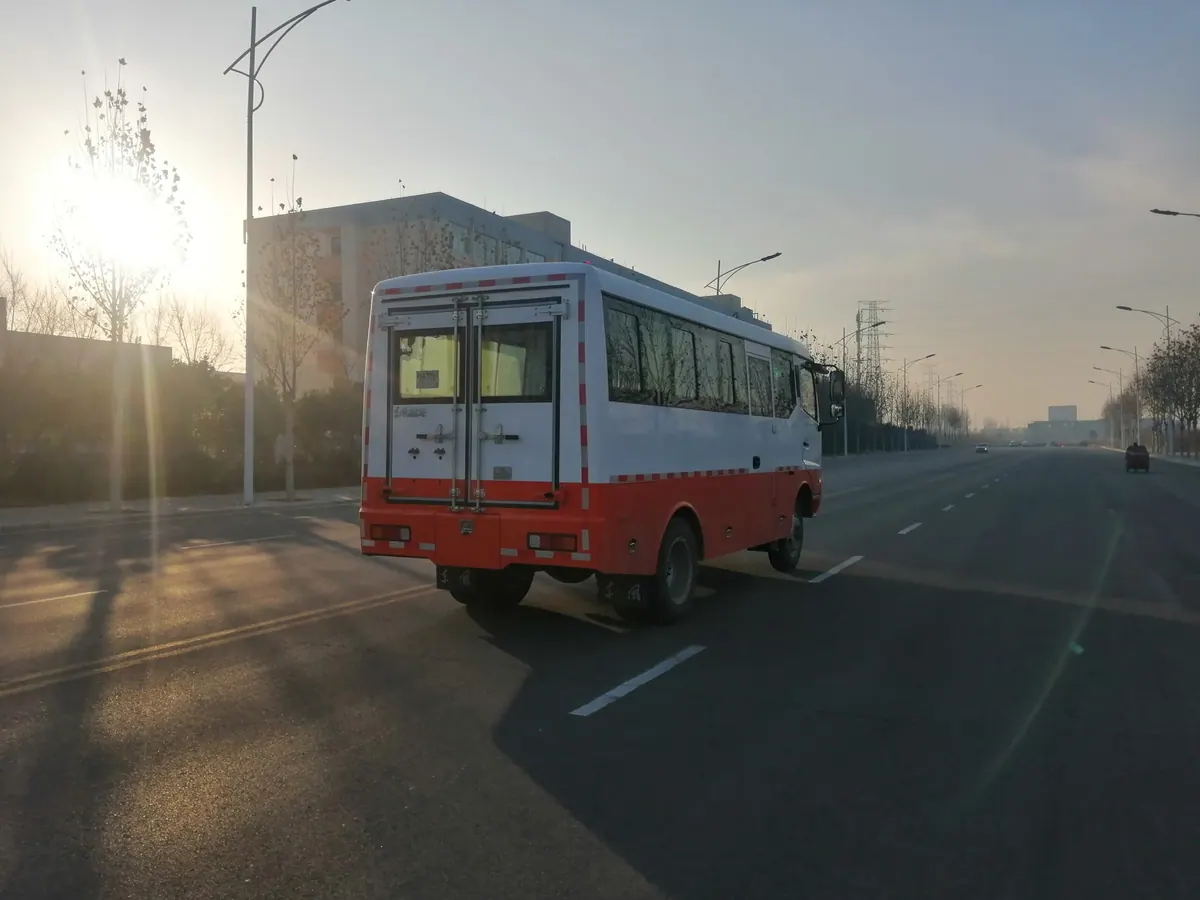
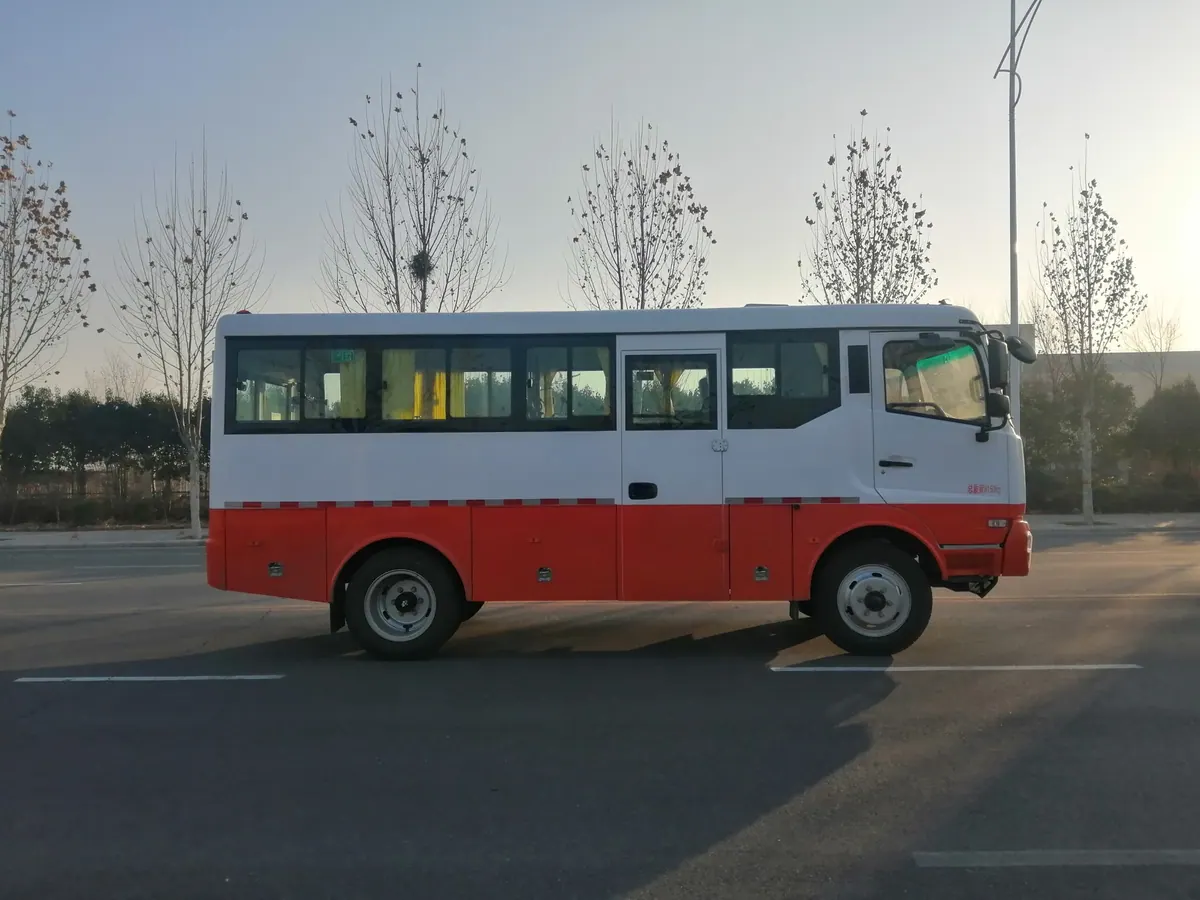
Provide the well test truck layout for the attached tool and deployment assignment. Identify supplied handling provisions, working and service access envelopes, and all external support or pressure-equipment dependencies. State relevant provider requirements and unresolved interfaces before configuration approval. Include final drawings and change-review responsibilities without assuming that the vehicle footprint or exterior photograph establishes complete wellsite handling capability.
Select the well test truck against the accepted instrument program and required measurement outputs. Identify the actual tools, line arrangement, depth and load basis, acquired channels and supported working environment. Keep deployment equipment, recording functions, external pressure control and surface flow-test systems under explicit supply boundaries. A calibration certificate supports an identified measurement, not universal truck accuracy or an unrestricted test result. Ask for the evidence and limitations that matter to the intended decision. Retain the selected configuration, interface documents and verification records with the purchase; actual wellsite work requires competent personnel and approved procedures.
For the wider equipment scope, consult the Oilfield Well Test Truck: Pre-Job Checklist. Use the RFQ checklist to collect the supporting documents before requesting a configuration-specific quotation.
Buyer questions
Does a test-truck label establish that a mast is supplied?
No. Identify the actual handling equipment and external responsibilities in the offer.
Does layout compatibility approve external pressure equipment?
No. Its service suitability requires a separate competent provider and project review.
Background and supplier contact
SLB wireline terminology offers related background, not certification of the equipment in a quotation. Applicability must be checked for the project and destination.
Explore the well test truck, browse all technical resources, or visit Vance Petroleum for company information. Request a well-test package proposal with identified instruments, measurement tasks, acquisition interfaces and destination requirements.