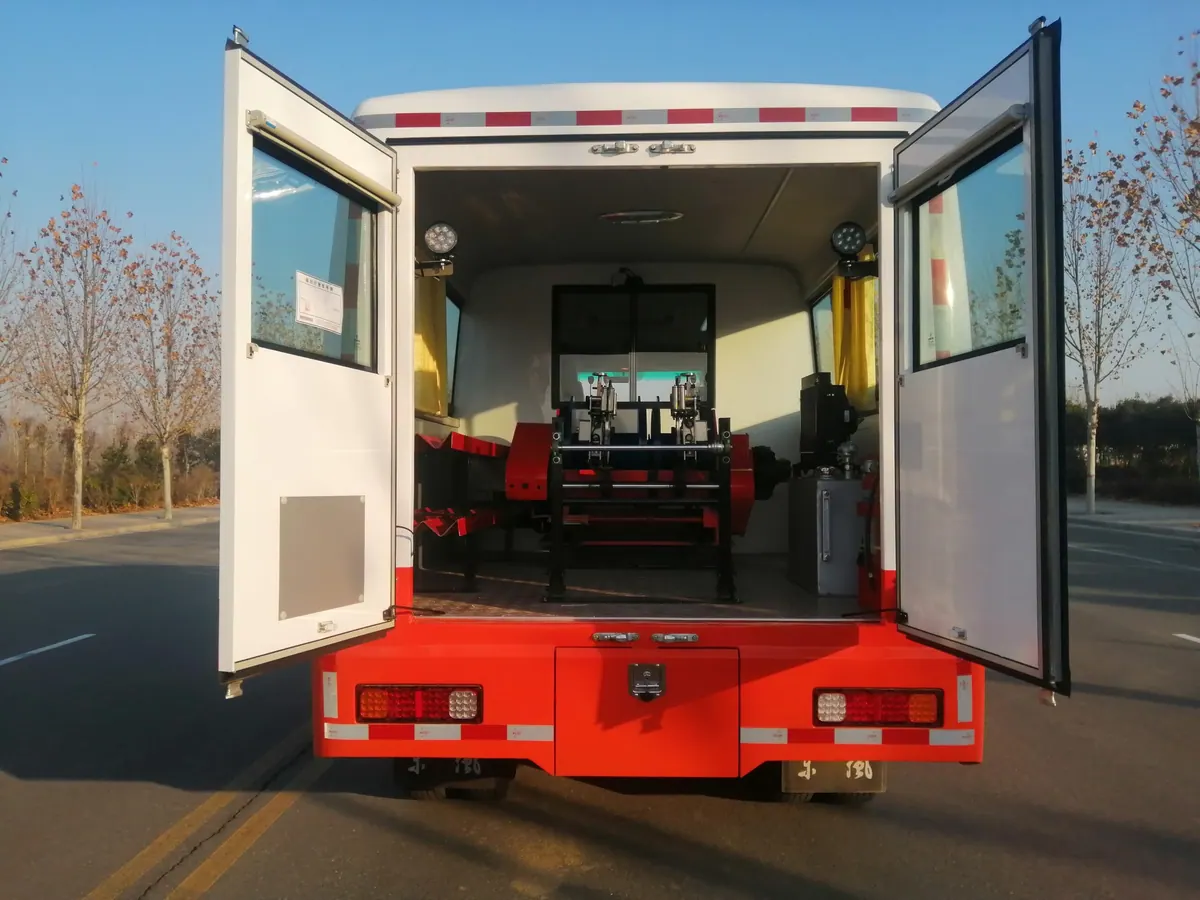
Provide an actual instrument inventory
List the purchaser-owned tools, relevant versions, available documents and required observations. Distinguish confirmed equipment from planned future additions. A brand name or broad tool category may be insufficient for a responsible interface assessment. Ask the supplier which missing information affects its response, keeping an early preliminary discussion separate from an accepted promise that the truck will support every existing and future instrument in the purchaser’s fleet.
Review mechanical and data interfaces independently
Identify the selected line method, tool connections and relevant deployment basis through the responsible providers. Separately establish power, communication, acquisition and record-access requirements. A tool can fit physically without providing a supported data path, and an imported file can be readable without establishing deployment suitability. The quotation should expose those distinct questions rather than bundle them into a single compatible-with-standard-tools statement.
Assess available evidence and condition honestly
Retain the relevant instrument identity, calibration information and current condition records provided by the purchaser. Ask which evidence the truck integrator needs and which conclusions remain with the tool provider or competent reviewer. Ownership of a familiar tool does not prove its present measurement state. Procurement should identify gaps and responsibilities without treating an old document as current evidence for an unidentified or modified instrument.
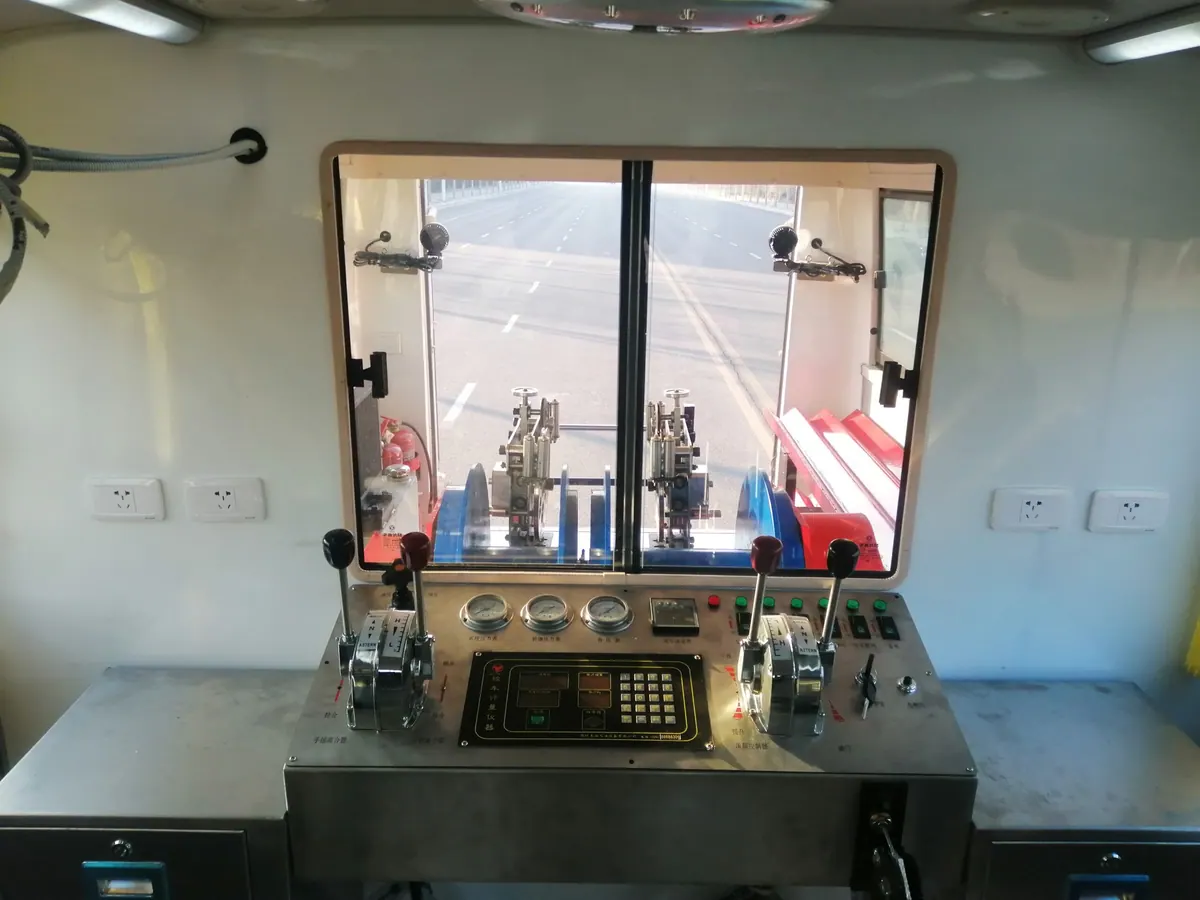
Price the actual integration work
Have bidders itemize adapters, interface modules, software access and verification included for the identified tools. Separate unaccepted future options from the base configuration. A low-priced recorder-only offer may leave more integration work with the purchaser than another proposal. Compare the supplied functions and external dependencies on the same basis, without assuming that a broad integration label includes every third-party licence, accessory or professional measurement review.
Agree representative acceptance with purchaser equipment
State which actual tools or supported substitutes will be available for the agreed checks and who supplies them. Identify the coverage and limits of any simulated demonstration. A test with a different instrument can establish selected functions without proving compatibility of every fleet item. Retain the final accepted tool list and outstanding conditions so the delivered truck’s supported scope remains understandable after procurement and during later equipment changes.
Compare fleet support against an identified list
Require each bidder to respond tool by tool, with supported functions, evidence and exclusions stated. Do not rank an unrestricted compatibility promise above a qualified response that identifies missing documents and a practical verification route. The purchase should deliver the actual accepted integration functions, with purchaser-owned equipment and provider responsibilities visible. This supports reuse of a tool fleet without guaranteeing its present condition, assuming that every legacy format remains supported indefinitely or treating a successful test with one model as acceptance of every future instrument.
Put these items side by side in the bid review
| Purchase item | Question to resolve | Evidence to request |
|---|---|---|
| Inventory | Which actual tools and versions are required? | Purchaser equipment register |
| Interfaces | What mechanical and data paths are supported? | Tool-specific integration response |
| Verification | What will be checked with which equipment? | Accepted demonstration and responsibility plan |
Suggested wording for the quotation request
Quote the well test truck for the attached purchaser-owned instrument inventory. Identify supported deployment, power, communication and record-access functions separately for each required tool and version. List evidence gaps, supplied adapters or software and external responsibilities. Propose representative acceptance using identified equipment, with simulations and future options clearly qualified rather than promising unrestricted compatibility with an unspecified fleet.
Select the well test truck against the accepted instrument program and required measurement outputs. Identify the actual tools, line arrangement, depth and load basis, acquired channels and supported working environment. Keep deployment equipment, recording functions, external pressure control and surface flow-test systems under explicit supply boundaries. A calibration certificate supports an identified measurement, not universal truck accuracy or an unrestricted test result. Ask for the evidence and limitations that matter to the intended decision. Retain the selected configuration, interface documents and verification records with the purchase; actual wellsite work requires competent personnel and approved procedures.
For the wider equipment scope, consult the Oilfield Well Test Truck: Configuration Guide. Use the RFQ checklist to collect the supporting documents before requesting a configuration-specific quotation.
Buyer questions
Does a familiar tool brand establish compatibility?
No. Identify the actual model, version, interfaces and supported functions.
Does reading a tool file prove the truck can deploy the tool?
No. Data access and mechanical deployment require separate accepted assessments.
Background and supplier contact
NIST metrological traceability background offers related background, not certification of the equipment in a quotation. Applicability must be checked for the project and destination.
Explore the well test truck, browse all technical resources, or visit Vance Petroleum for company information. Request a well-test package proposal with identified instruments, measurement tasks, acquisition interfaces and destination requirements.