
Identify the calibrated item precisely
Request the relevant instrument identity and the measurement conditions covered by the supplied calibration record. Distinguish the sensor or tool from acquisition modules and reporting software. A document for one item does not automatically establish every assembled channel. The purchasing schedule should identify which evidence accompanies which component, allowing the responsible reviewer to understand the supported result rather than rely on an undefined calibrated truck statement.
Record the configuration that interprets the signal
Ask which software, firmware and relevant settings affect the acquired quantity and exported record. Keep the request focused on information necessary for interpretation and supported service, without demanding unrelated proprietary detail. A software name alone may not identify the installed version or configuration. The offer should state what will be delivered and how the final evidence will be related to that actual arrangement.
Assess substitutions before accepting equivalence
Have the relevant provider explain how a changed instrument, module or software revision affects compatibility, scaling and supporting verification. A newer version is not automatically equivalent for the purchased measurement task. Identify required review and test evidence before delivery. Procurement should preserve a documented change route rather than either prohibit every supported update or accept all substitutions solely because the commercial product name remains familiar.
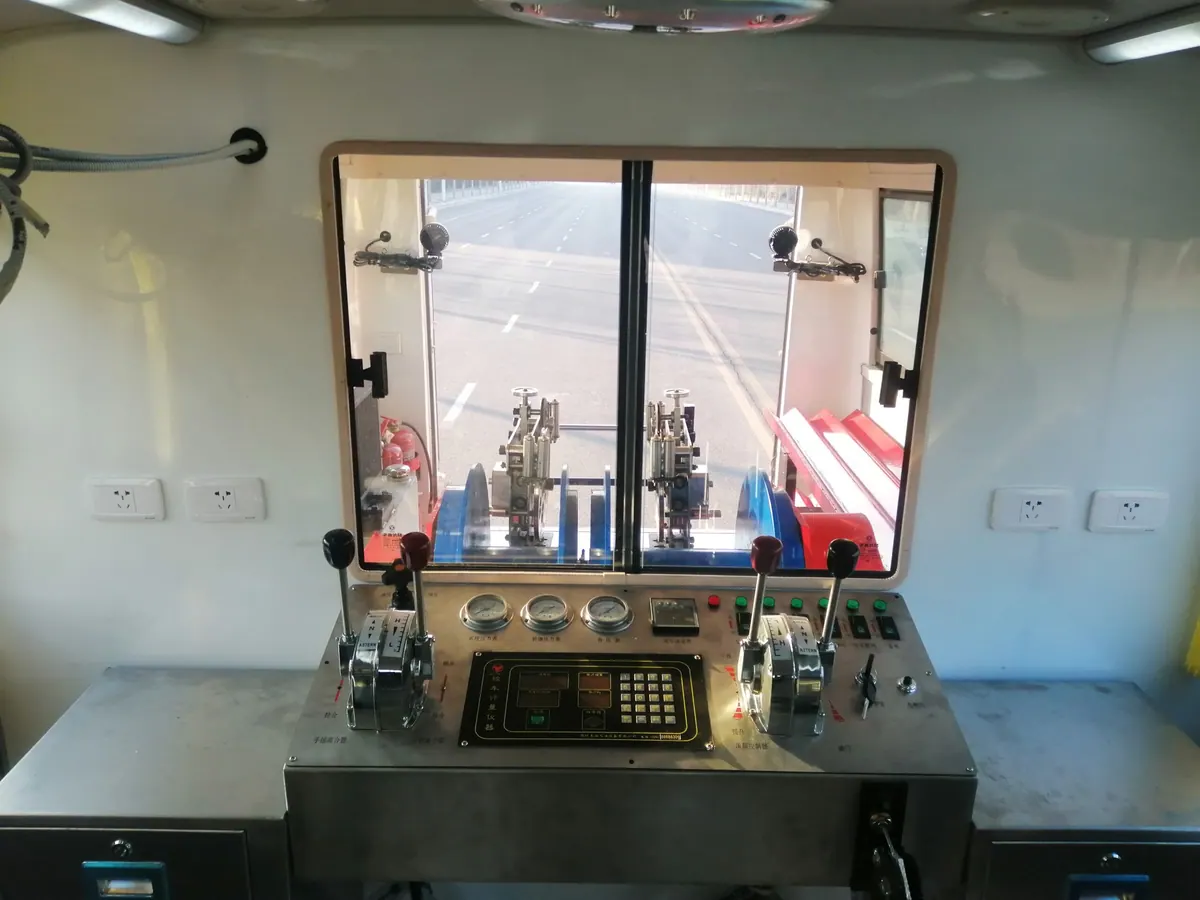
Keep original records and revised interpretations distinguishable
Where a later configuration changes how stored data is interpreted, identify the revised processing and preserve the original basis as agreed. An updated report should not silently replace evidence of the earlier result. Ask the provider to explain which records can be reprocessed and which source information is required. This supports professional review without promising that every historic dataset remains interpretable through every future software release.
Verify the delivered combination
Include relevant configuration identity and output checks in the accepted handover scope. Compare final software and instrument records with approved changes and document unresolved items. A successful test before a significant modification may need another review. Retain the accepted combination and support responsibilities so later maintenance personnel can establish what was actually verified instead of assembling a claim from certificates belonging to different revisions.
Treat change history as part of usable measurement evidence
Ask bidders how they will identify the final system and communicate changes that affect the purchased outputs. Compare the supporting records and review arrangements rather than rank offers simply by the newest firmware label. Keep calibration, integration and output verification as distinct but connected parts of acceptance. The order should give the buyer an understandable equipment history without claiming that one calibration covers all future configurations, that software updates never affect data meaning or that a component certificate establishes universal accuracy of the complete well test truck.
Put these items side by side in the bid review
| Purchase item | Question to resolve | Evidence to request |
|---|---|---|
| Identity | Which item and version does evidence cover? | Instrument and configuration register |
| Change | What affects the reported quantity? | Reviewed substitution and update record |
| Acceptance | Which combination was verified? | Final output and handover evidence |
Suggested wording for the quotation request
Provide the calibration and configuration-control scope for the proposed well test truck. Identify instruments, relevant acquisition software or firmware and the records supporting the delivered measurement path. Explain review requirements for substitutions and updates affecting compatibility, scaling or outputs. Retain accepted revisions and representative verification evidence, distinguishing component calibration from complete-system acceptance and from interpretation of datasets under later configurations.
Select the well test truck against the accepted instrument program and required measurement outputs. Identify the actual tools, line arrangement, depth and load basis, acquired channels and supported working environment. Keep deployment equipment, recording functions, external pressure control and surface flow-test systems under explicit supply boundaries. A calibration certificate supports an identified measurement, not universal truck accuracy or an unrestricted test result. Ask for the evidence and limitations that matter to the intended decision. Retain the selected configuration, interface documents and verification records with the purchase; actual wellsite work requires competent personnel and approved procedures.
For the wider equipment scope, consult the Oilfield Well Test Truck: FAT Checklist. Use the RFQ checklist to collect the supporting documents before requesting a configuration-specific quotation.
Buyer questions
Does a newer software version automatically preserve the accepted result?
No. Review the actual effects on interfaces, configuration and data interpretation.
Can one component certificate cover every later assembly?
No. Keep its identity and scope connected to the delivered configuration.
Background and supplier contact
NIST metrological traceability background offers related background, not certification of the equipment in a quotation. Applicability must be checked for the project and destination.
Explore the well test truck, browse all technical resources, or visit Vance Petroleum for company information. Request a well-test package proposal with identified instruments, measurement tasks, acquisition interfaces and destination requirements.