
Define the phase-rate range
State minimum, normal and peak rates for each measured phase rather than providing only a total liquid maximum. The meter should be assessed at the actual fluid properties and operating conditions. Manufacturer accuracy statements usually have conditions and limits; request those for the offered instrument and installation. A wide display range is not the same as a verified measurement range.
Check separation before blaming the meter
Gas in a liquid outlet or liquid in a gas stream can affect measurement. Review separator performance and instrument installation together. Low-rate instability may also reflect control-valve cycling or an unsuitable operating level. Compare the instrument signal with process trends before treating a noisy trace as an instrument fault or applying smoothing that hides meaningful variation.
Plan an alternate measurement arrangement
If expected rates fall outside the accepted range, the test team should review an appropriate meter or validated alternate method. Record the changeover criteria and how results from different ranges are reconciled. Keep calibration references and units with the test report. Do not present values outside the approved range as equivalent in confidence to validated measurements.
Evidence to collect for this decision
| Condition | Review action | Useful evidence |
|---|---|---|
| Very low oil rate | Review the liquid meter lower limit | Range and fluid-condition data |
| Gas in liquid outlet | Assess separation quality | Process and instrument trend |
| Changing meter range | Document transition and reconciliation | Calibration and reporting method |
Keep these observations with the equipment reference and operating conditions. When comparing proposals or service findings, check that each record describes the same configuration and duty. Resolve missing inputs with the responsible engineer before treating an estimate as an accepted operating limit.
Keep the measurement basis with the reported result
Every reported value needs a unit, measurement location and operating context. Retain the instrument reference, range, calibration status and any conversion applied by the data system. A number expressed to several decimal places does not by itself have that level of accuracy. Identify the uncertainty that matters to the decision and distinguish directly measured quantities from calculated or inferred ones.
When measurements disagree, compare their boundaries and timing before changing either result. Flow through a line, a tank inventory change and a calculated quantity can include different transfers or physical delays. Preserve the raw records and document any accepted correction. The handover should allow another competent reviewer to understand how the result was obtained. If a measurement is outside the validated range or collected during an unresolved upset, identify the affected period and its limitation rather than presenting it as equivalent to the accepted data.
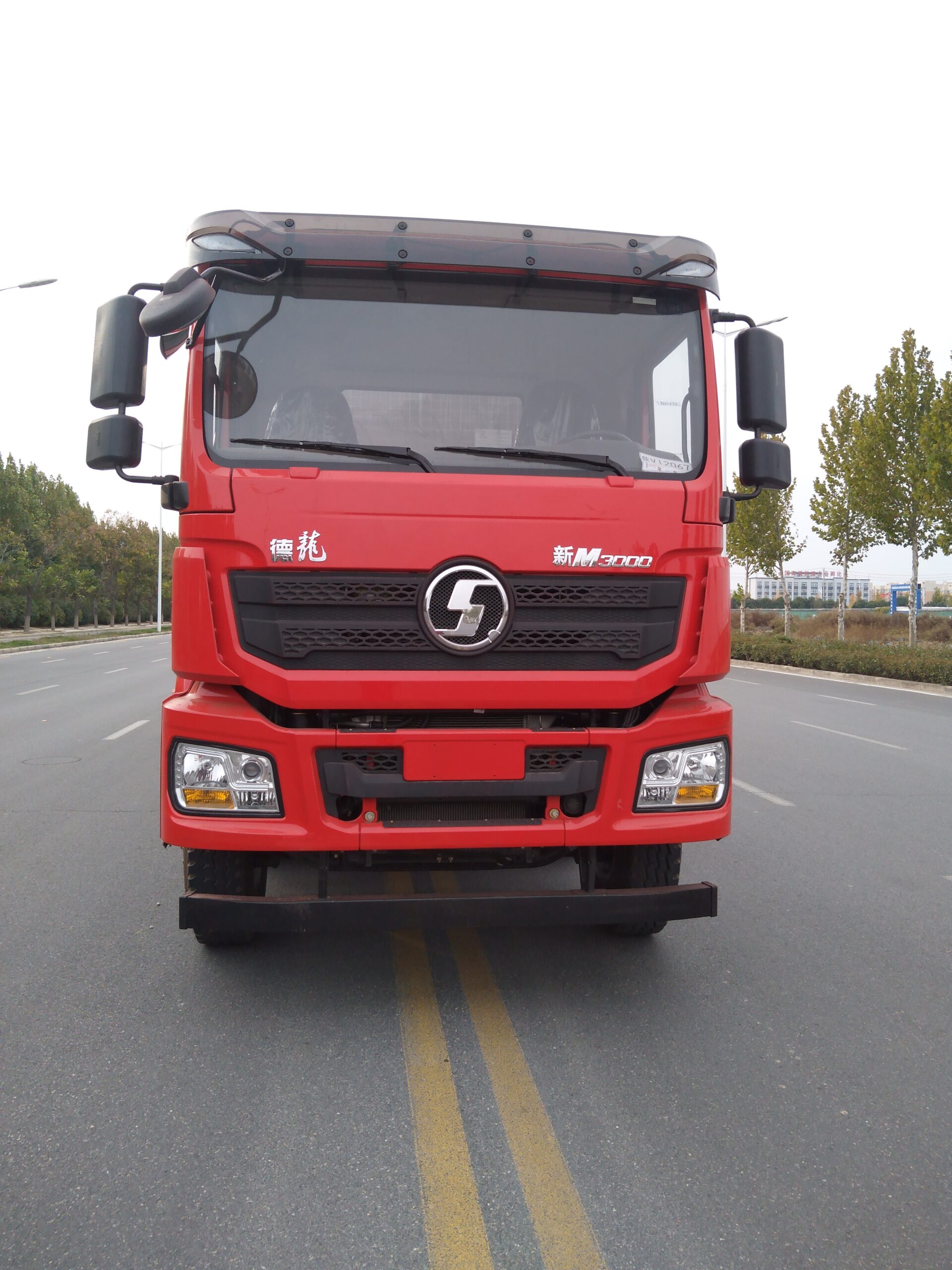
Apply the review to the offered oilfield well test truck
Keep the measurement plan, separator operating conditions and data-acquisition configuration linked. Record which phase quantities are measured directly and which are calculated. The test report should retain reference conditions, timestamps and the limitations associated with any unsettled or out-of-range period.
- Test objectives: record the project range and identify whether the value is measured, calculated or still provisional.
- Rate and pressure envelope: state the accepted limit and the equipment or process boundary to which it applies.
- Separator retention time: include variation through the job instead of relying only on the normal operating value.
- Meter technology: identify the responsible supplier or site team and the evidence needed before acceptance.
- Data reporting format: review the case that governs this requirement and retain its basis with the equipment records.
The complete package is intended for capturing defensible production data while safely separating and controlling multiphase well fluids. Confirm the scope of the high-pressure test separator, oil, water and gas meters, data logging system, emergency shutdown and relief package against the selected duty. Use the specifications and sizing guide for the broader equipment requirements and the RFQ checklist to organize the supporting documents.
Questions about this equipment decision
Does a meter reading prove the rate is within its accurate range?
No. The instrument may display a value outside the conditions for which its measurement performance is established.
What information helps review this oilfield well test truck requirement?
Provide range and fluid-condition data; process and instrument trend; calibration and reporting method, together with the installed equipment identification and the proposed operating conditions.
References and project support
Well test separation and measurement reference provides additional background. For the equipment range and company information, visit Vance Petroleum. Share the relevant duty and records when requesting a project-specific review.