
Define the decision the measurement must support
Have the competent measurement team identify the quantities and observation cases that matter to the program. State the measurement boundary and the required basis for evaluating suitability. A generic request for maximum accuracy can produce incompatible supplier answers. Procurement should connect the requested evidence to the actual decision rather than assume that the smallest printed percentage represents the most useful complete truck configuration.
Ask what each quoted number represents
Require the provider to distinguish resolution, repeatability, tolerance and measurement uncertainty where those terms appear in the offer. They answer different questions and should not be ranked as interchangeable accuracy figures. Identify the instrument, range and conditions behind each statement. A fine display increment is not evidence that the exported result has the same confidence, and a selected calibration point does not establish every possible field condition.
Review the complete result rather than one component
Ask how the relevant sensing, acquisition, scaling and other supplied contributions relate to the reported quantity. Keep third-party instruments and external measurements explicitly assigned. A certificate for one component can support an identified part of the evidence without proving the whole installed measurement. The bidder should explain the actual scope it substantiates and what additional information is needed for the responsible reviewer to assess the complete result.
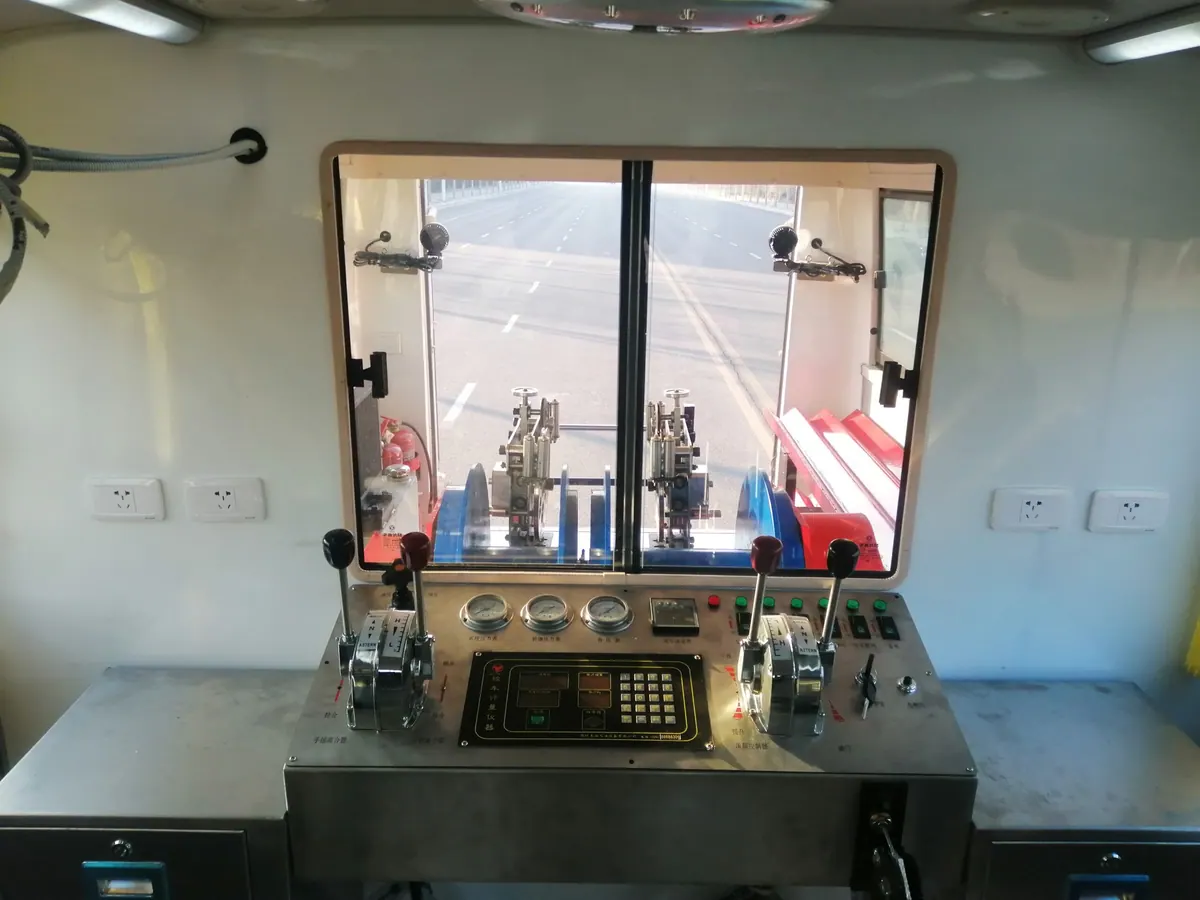
Keep traceability and suitability separate
Request the evidence supporting the claimed metrological traceability and its relationship to the supplied instrument and result. Traceability alone does not establish fitness for the intended purpose. Have the responsible team assess whether the supported uncertainty and conditions meet the measurement need. Avoid an undefined certified-accurate truck label or a claim that a reference to a national laboratory approves every assembled channel, external tool and field interpretation.
Agree acceptance and unresolved limitations
Define the relevant verification records and how unconfirmed conditions will be addressed before the purchase is accepted. Identify instrument changes that require another review. A responsible offer may provide qualified evidence rather than a universal percentage. Retain the final measurement basis with the configuration documents so future campaigns and replacements can be assessed against the accepted scope instead of silently expanding an early marketing statement.
Rank evidence against the intended use
Compare like quantities at like boundaries with the same service and observation assumptions. Ask whether the evidence identifies the actual delivered equipment and distinguishes factory results from site dependencies. Keep unsupported claims and open inputs visible in the bid evaluation. This gives the buyer a usable technical comparison without inventing an uncertainty budget, treating all instrument percentages as equivalent or promising that a particular truck will resolve every reservoir question. The supplier and responsible measurement reviewer must establish which actual results are supported for the accepted configuration.
Put these items side by side in the bid review
| Purchase item | Question to resolve | Evidence to request |
|---|---|---|
| Claim | Which quantity and boundary are covered? | Identified measurement statement |
| Evidence | What supports the actual supplied result? | Relevant records and conditions |
| Suitability | Does the support match the decision? | Competent measurement review |
Suggested wording for the quotation request
Provide a qualified measurement-performance response for the proposed well test truck and attached observation cases. Identify quantities, boundaries, conditions and the meaning of each quoted accuracy-related value. Link calibration and traceability evidence to the supplied configuration, with acquisition and external contributions distinguished. State verification needs and unresolved limitations so suitability can be assessed without relying on display resolution or an unsupported universal accuracy claim.
Select the well test truck against the accepted instrument program and required measurement outputs. Identify the actual tools, line arrangement, depth and load basis, acquired channels and supported working environment. Keep deployment equipment, recording functions, external pressure control and surface flow-test systems under explicit supply boundaries. A calibration certificate supports an identified measurement, not universal truck accuracy or an unrestricted test result. Ask for the evidence and limitations that matter to the intended decision. Retain the selected configuration, interface documents and verification records with the purchase; actual wellsite work requires competent personnel and approved procedures.
For the wider equipment scope, consult the Oilfield Well Test Truck Manufacturer Guide. Use the RFQ checklist to collect the supporting documents before requesting a configuration-specific quotation.
Buyer questions
Does a traceable calibration alone prove fitness for purpose?
No. The supported uncertainty and conditions must also suit the intended measurement need.
Are resolution and accuracy interchangeable?
No. Ask the provider to identify precisely what each offered value represents.
Background and supplier contact
NIST metrological traceability background offers related background, not certification of the equipment in a quotation. Applicability must be checked for the project and destination.
Explore the well test truck, browse all technical resources, or visit Vance Petroleum for company information. Request a well-test package proposal with identified instruments, measurement tasks, acquisition interfaces and destination requirements.